
A Year of Wildlife Gardening Tasks
A garden that works for wildlife is not a garden left to ruin. It is a garden managed with a lighter touch, where a little forward planning replaces a great deal of hard labour. The trick is to think in seasons rather than weekends: do the right job at the right moment and habitats look after themselves. Here is how the year unfolds, and what is genuinely worth your time in each stretch.
Spring: Ponds, Nests and the Temptation to Tidy
Spring begins earlier than most of us think. By late February, frogs and toads are already moving towards water, and the first bumblebee queens are out of hibernation looking for early nectar. This is the moment to look at your pond properly.
- Check for frogspawn and toad strings of eggs, then leave them alone. If you find blanketweed smothering the surface, twirl it out with a stick by hand rather than reaching for any chemical treatment.
- Never smash ice on a frozen pond. Trapped gases build up beneath it, and the shock wave can kill amphibians resting in the mud. Float a saucepan of hot water on the surface instead and let it melt through.
- Clean out nest boxes in late winter, removing old nesting material and giving the box a scrub with boiling water only. Face boxes between north and east so they do not overheat in summer.
- Resist the urge to cut everything back. Hollow stems, collapsed seed heads and dead leaves are shelter for ladybirds, lacewings and solitary bees that have spent the winter tucked inside them.
- Let dandelions and daisies flower in the lawn for a few weeks. They are among the most valuable early nectar sources we have, and they cost nothing.
Late Spring and Early Summer: Feeding the Crowd
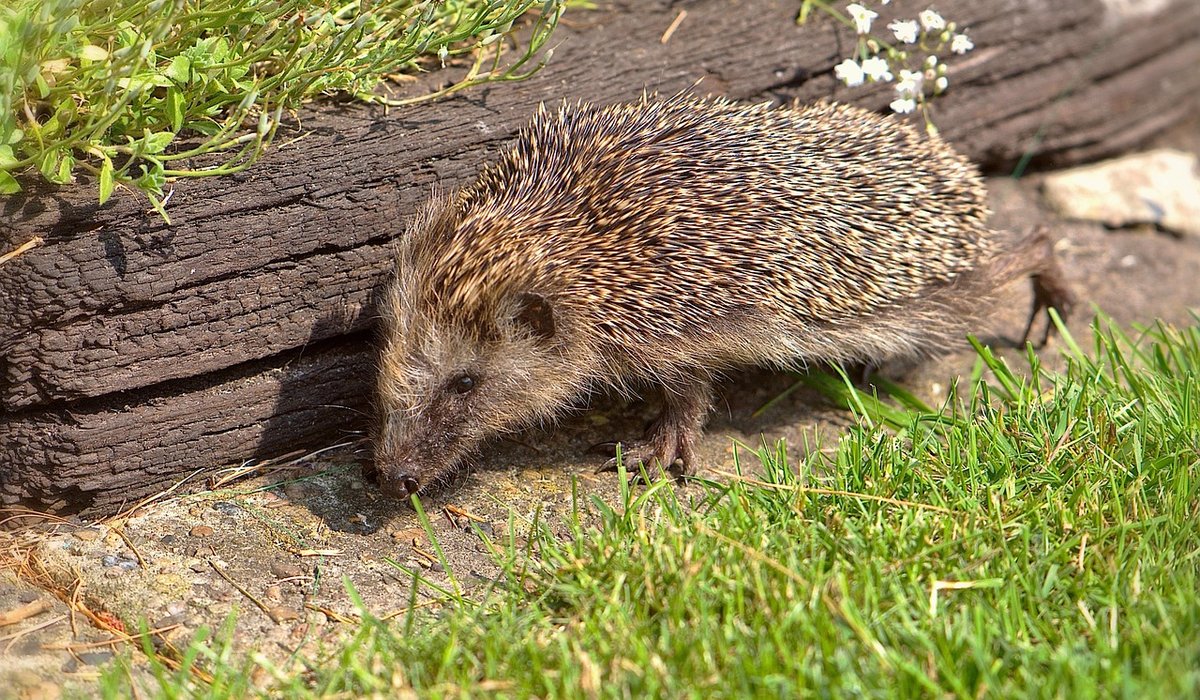
By May the garden is loud with demand. Nestlings are calling, hedgehogs have emerged from hibernation and every aphid colony is a waiting meal for something with wings.
- Leave a patch of lawn unmown through the summer. Even a square metre of longer grass gives caterpillars, beetles and frogs somewhere to hide from the mower and the cat.
- Avoid cutting hedges and shrubs between March and August. Nesting birds are legally protected under the Wildlife and Countryside Act 1981, and disturbing an active nest is an offence as well as a cruelty.
- Put out a shallow dish of water at ground level. Hedgehogs, birds and insects all need it, and a saucer with a few stones in it lets smaller creatures climb out safely.
- Feed birds consistently, but clean feeders fortnightly with hot soapy water and rinse well. Dirty feeders spread disease quickly when so many birds are visiting.
- Sow or plant nectar-rich flowers now for a succession of bloom: foxglove, comfrey, ox-eye daisy, purple loosestrife and marjoram all earn their place.
High Summer: Water, Shade and Restraint
Through July and August, the best thing you can do is very often nothing at all. Resist deadheading everything, and resist the perfect lawn.
- Top up the pond during dry spells using rainwater from a butt rather than tap water, which carries nutrients that encourage algae.
- Leave seed heads to ripen on teasels, lavender, and honesty. Goldfinches will find them long before you would have tidied them away.
- Tolerate aphids. A colony on the roses is a larder for blue tits, hoverflies and ladybird larvae, and it usually collapses on its own within a fortnight.
- Keep a pile of logs and stones in a shady corner. Slow-worms, beetles and toads use the damp gaps as summer refuge and winter quarters alike.
Autumn: Leaves, Berries and Planting
Autumn is the busiest season for gardeners who want to build habitat, because it is the season of planting and of free materials.
- Rake leaves into a corner rather than bagging them. A leaf pile is prime hedgehog hibernation territory and will be riddled with worms and beetles by spring.
- Plant bare-root native trees and hedging between November and March while they are dormant: hawthorn, hazel, blackthorn, field maple and crab apple all suit small gardens as well as large.
- Plant spring bulbs in September and October. Snowdrops, crocus and grape hyacinth flower when almost nothing else does, and hungry bees will find them.
- Leave ivy alone. Its late flowers feed hoverflies and butterflies into November, and its berries are winter food for thrushes and blackbirds.
- Check any bonfire heap before you light it, moving the wood to a fresh spot the same day. Hedgehogs sleep in exactly the sort of dry tangle that looks like kindling.
Winter: Quiet Work, Big Rewards
Winter is when the garden gives most back for the least effort. Feeding and water are the priorities, and everything else can wait.
- Offer high-fat food through the cold months: suet balls, sunflower hearts and peanuts in a mesh feeder suitable for the birds in your area.
- Keep a bird bath ice-free. Birds need to drink and bathe even in hard frost, and a kettle of warm water poured gently over the surface is all it takes.
- Leave the standing stems of perennials untouched until late February. Seed heads hold food and hollow stems hold sleeping insects.
- Clean and repair nest boxes and bird feeders in January, ready for the season ahead.
- Plant bare-root trees and shrubs, mulch fruit bushes, and dig a new wildlife pond if you have been promising yourself one. Winter is the kindest time for planting and for the gardener alike.
Read across the whole year and a pattern emerges: the heavy work falls in autumn and winter, the restraint is needed in spring and summer. Do the planting when the garden sleeps, step back when it wakes, and you will find that wildlife gardening is not another burden on your weekends. It is simply the same garden, worked a little more patiently.
tag: Garden Wildlife

Sophie Chadwick Author
Learn key markings, flight periods and favourite nectar plants to tell apart meadow browns, peacocks and small tortoiseshells.
YOU MAY ALSO LIKE
A Simple Guide to Identifying Common British Butterflies
Jul 29
10These colourful habitats support pollinators, improve soil health and provide a beautiful alternative to traditional closely mown lawns.
read more
The Benefits of Native Wildflower Meadows
Jul 23
10Use old pallets, bricks, bamboo canes and dead leaves to create shelter for solitary bees, ladybirds and other beneficial insects.
read moreWildlife
-

ERRIC CATONA
Look for latrines, footprints, scratch marks and burrows to tell which nocturnal mammal has been visiting your local patch.
May 19, 2016 at 5.12 pm
Reply
ERRIC CATONA
Follow the Countryside Code, stick to footpaths and take litter home to protect landscapes and wildlife for everyone to enjoy.
May 19, 2016 at 5.12 pm
Reply -
ERRIC CATONA
Use nets, trays and identification charts to explore underwater life safely, then return every creature to the water promptly.
May 19, 2016 at 5.12 pm
Reply
Conservation
Your email address will not be published.