
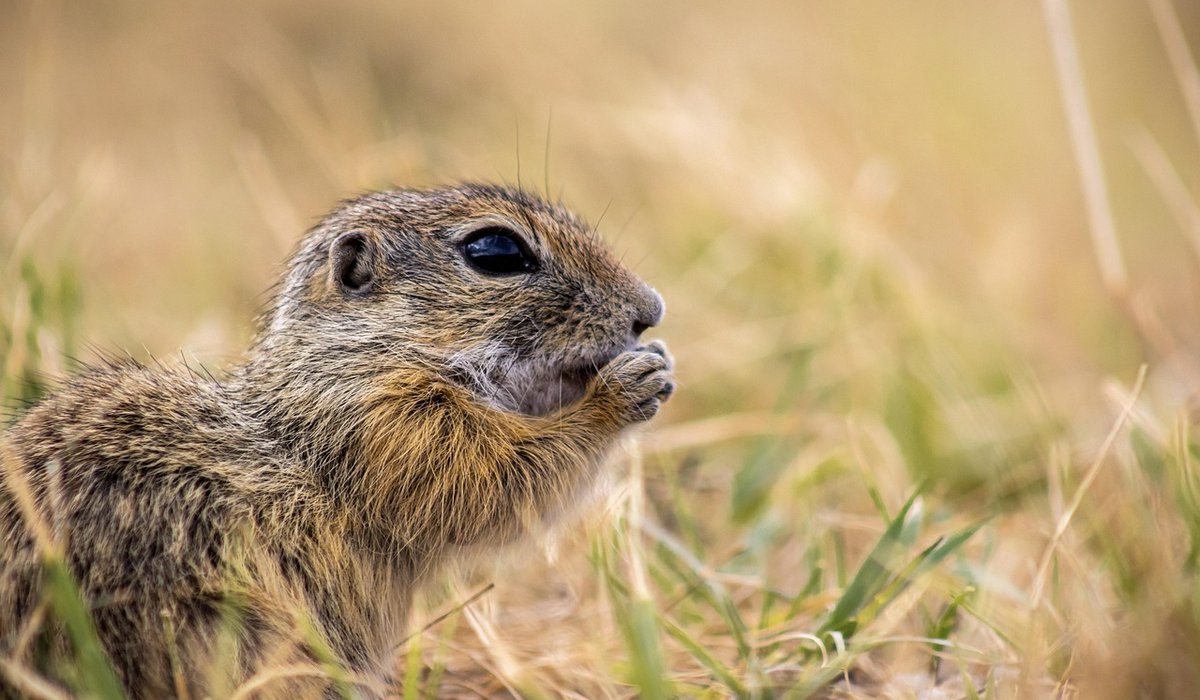
Spotting Red Squirrels in Northern Woodlands
Why Northern Woodlands Suit Red Squirrels
Red squirrels are our only native squirrel, and in much of the UK they now cling on mainly in the north — the Scottish Highlands, Galloway, Northumberland, the Lake District, parts of Yorkshire and pockets of North Wales. The common thread is conifers. Scots pine is the classic tree, but Norway spruce, larch and even the much-maligned Sitka spruce plantations all provide what reds need: a reliable supply of seed, shelter from the worst of the weather, and a bit of distance from grey squirrels.
Unlike greys, reds are true woodland specialists. They rarely venture far from the canopy, they cache food in scatter-hoards rather than one big larder, and they do not hibernate. That means a winter walk through a pinewood can genuinely turn up a squirrel at almost any time of year — but some mornings are far better than others.
Look for trees around 30 to 60 years old, with plenty of mature cones and a mix of ages nearby. A woodland with some open glades, a few larches and a scatter of older pines tends to hold more squirrels than a uniform block of young spruce.
Timing Your Visit
Early mornings really do deliver. Reds are most active in the first two or three hours after sunrise, when they feed and move between caches before the day settles down. Arrive in the half-light, before the wood is fully awake, and you will often hear the birds before you see anything.
The best windows are:
- February to April — food is scarce, the trees are bare and the mating chases are on. Squirrels are loud, obvious and unmissable.
- September to November — the autumn cone crop is being harvested and cached hard, and animals are busy in the canopy.
- Mild, still, dry mornings after a frost or a calm night, when scent and sound carry well.
Avoid wet and windy days. Squirrels sit tight in dreys when it is blowing, and you will simply get cold and see nothing. Snow is a gift, though — tracks and feeding debris show up beautifully against it.
Reading the Cone Crop
Before you go, learn to read the trees. Tilt your head back and look at the upper branches of the pines. A heavy cone crop shows as clusters of green or brown cones hanging beneath the outer branches, usually on the third-year growth. If the crop is poor, the squirrels will be scattered and hard work; if it is good, they will be concentrated where the food is.
On the ground, look for stripped cone cores — the woody spindles left after the scales have been nibbled away. Fresh ones, still pale and sticky with resin, mean a squirrel has been feeding above you very recently. A favourite stump, log or branch fork used repeatedly becomes a feeding station, and you can learn the exact spot where a particular animal likes to sit.
Red and grey squirrels leave different debris. Red squirrels tend to work a cone neatly, leaving a tidy core. Greys and crossbills are messier. If you find a mound of fresh cone cores under a pine and no greys anywhere, you are probably in the right place.
Fieldcraft That Actually Works
Reds have excellent eyesight and they are alert to movement, so slow and quiet beats enthusiastic every time.
- Wear dull colours — olive, brown, dark green — and avoid rustling waterproof fabrics.
- Walk quietly and stop often. Ten minutes of stillness often produces more than an hour of walking.
- Sit down. Find a stump or mossy bank with a good view of a cone-heavy canopy and wait. Squirrels quickly resume normal behaviour around a stationary human.
- Use binoculars, preferably 8x42s, and scan the middle and upper canopy rather than the trunks.
- Listen. A scolding red makes a sharp, chattering chuck-chuck alongside a soft, purring rattle. Rustling cone debris falling from above is another giveaway.
- Keep your distance — around 10 metres or more — and never chase an animal for a photograph.
Other Signs to Look For
Even a quiet morning gives you plenty to read. Dreys look like compact, roughly football-sized balls of twigs and moss lodged in a branch fork or against a trunk, usually in the upper half of the tree. They are often easier to spot in winter when the canopy is thin. In snowy conditions, look for paired tracks with a bounding gait and a long, dragging tail mark.
You may also find nibbled hazel nuts with neat, round holes, stripped larch cones, and small piles of stripped pine scales beneath a favoured perch. Droppings, about the size of a grain of rice and usually deposited on a stump or log, confirm a resident animal is nearby.
Looking After What You Find
Red squirrels are under real pressure from grey squirrels, habitat fragmentation and squirrelpox, so it pays to be careful. Never feed them — concentrated feeding stations pull animals together, encourage disease and often attract greys. Leave the cone crop to them, and never handle a sick or dead squirrel.
Keep dogs on leads in known red squirrel woods, stick to paths where the ground is fragile, and take your litter home. If you do see a red, enjoy it quietly. A few minutes of stillness in a cold pinewood, with the cones rustling overhead, is one of the finest wildlife experiences Britain has to offer — and it will come to you far sooner if you let the wood settle first.
tag: Mammals

Oliver Bennett Author
These ancient boundaries offer food, shelter and corridors for birds, small mammals and insects across the agricultural landscape.
YOU MAY ALSO LIKE

The Role of Hedgerows in Farmland Wildlife
Aug 29
10Learn to read animal behaviour, use long lenses and avoid disturbing nests or breeding sites for the sake of a picture.
read more
A Guide to Photographing British Wildlife Ethically
Aug 25
10Choose native single-flowered varieties, plant in generous drifts and extend flowering from spring to autumn to support pollinators.
read moreWildlife
-

ERRIC CATONA
Offer high-fat foods, keep feeders clean and provide unfrozen water to help garden birds survive sudden cold snaps.
May 19, 2016 at 5.12 pm
Reply
ERRIC CATONA
Fallen branches and standing dead trees support fungi, beetles and bats, so leave them in place where safety allows.
May 19, 2016 at 5.12 pm
Reply -
ERRIC CATONA
From spring pond checks to autumn leaf piles, a seasonal approach keeps habitats thriving without overwhelming the average gardener.
May 19, 2016 at 5.12 pm
Reply
Conservation
Your email address will not be published.