
The Benefits of Native Wildflower Meadows
A Little Piece of Old England
There is something deeply reassuring about a wildflower meadow in high summer. Oxeye daisies nodding on wiry stems, the buzz of bumblebees moving through a drift of common knapweed, a marbled white butterfly tumbling over the grass. These are the landscapes that shaped our countryside for centuries, and they are among the most species-rich habitats in Britain. Sadly, we have lost the vast majority of them since the 1930s, largely to agricultural intensification and development.
The good news is that meadows are wonderfully forgiving. You do not need acres of land or a rural postcode to make a difference. A modest patch of lawn, a verge outside the front gate, or a corner of an allotment can all become a functioning wildflower habitat within a couple of seasons. And unlike many conservation projects, this one pays you back immediately: less mowing, fewer chemicals, more colour, and a garden that hums with life from April to September.
A Lifeline for Pollinators and Other Wildlife
Native wildflowers and native insects evolved together over thousands of years, which is why they suit one another so well. Many of our solitary bees, bumblebees and hoverflies depend on a narrow range of plants for nectar and pollen, and a meadow that mixes different flower shapes and flowering times keeps the larder stocked for longer.
Variety is the key. Plants with shallow, open flowers such as yarrow, oxeye daisy and field scabious are accessible to short-tongued insects, while deeper blooms like red clover and common knapweed feed the longer-tongued bumblebees. Butterflies are fussier still, often needing specific larval food plants: bird's-foot trefoil for common blue, meadow grasses for meadow brown and speckled wood, knapweed for the aptly named knapweed fritillary.
Beyond pollinators, a meadow offers cover and food for a surprising range of creatures:
- Seed heads left standing through winter feed goldfinches, linnets and yellowhammers.
- Tussocky grasses shelter overwintering ladybirds, frogs and shrews.
- Long grass provides hunting corridors for bats and barn owls.
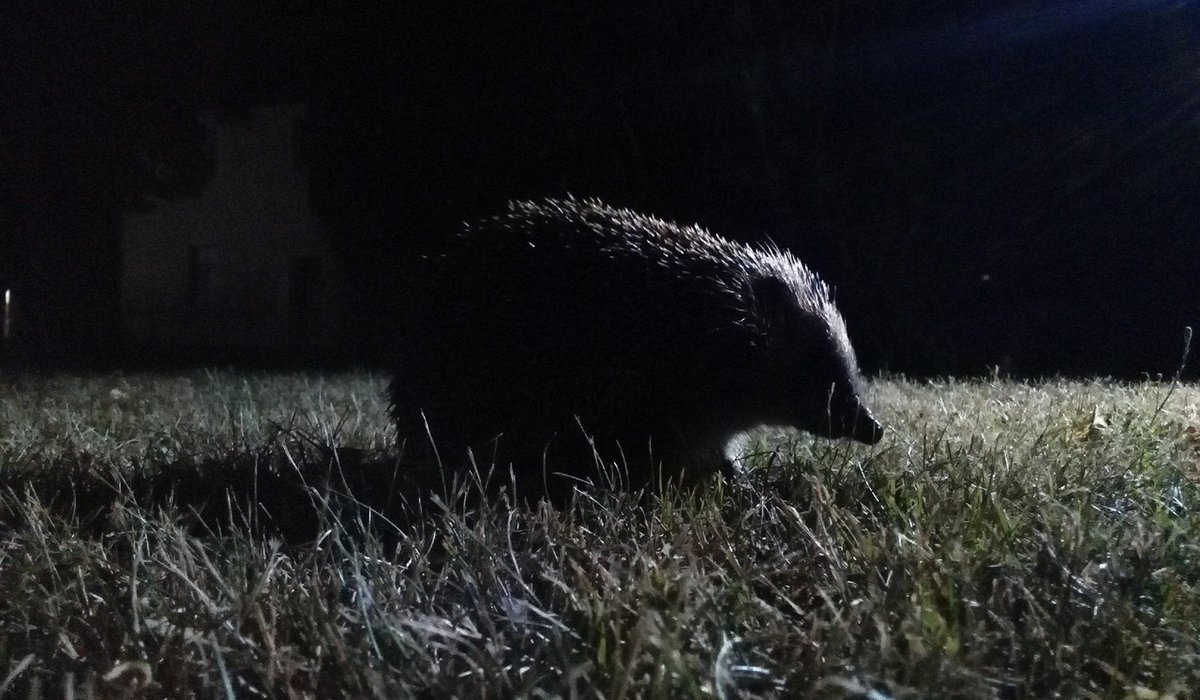
- Beetles and spiders thrive in the litter layer, which in turn feeds birds and hedgehogs.
Even a small patch becomes a stepping stone, linking your garden to the wider landscape and helping wildlife move through it.
Healthier Soil, Less Work, Fewer Chemicals
A meadow is, in effect, a low-input farming system running on sunlight and rainfall. Because you stop feeding the ground with fertiliser, the soil food web rebalances. Fungal networks, earthworms and tiny invertebrates return, and the soil structure improves as roots and organic matter build up. That means better drainage in winter and better moisture retention in summer, which helps everything else growing nearby.
Yellow rattle is the meadow-maker's best friend here. This native annual is partially parasitic on grasses, drawing water and nutrients from their roots and weakening their vigour. Sowing it into an established grassy patch opens up gaps where wildflowers can establish. If your soil is rich and your grass lush, yellow rattle is the single most useful plant you can introduce.
The practical rewards are considerable. Once established, a meadow needs no watering, no fertiliser and no weedkiller. It requires far fewer passes with the mower than a conventional lawn. And because the flowers arrive in succession rather than all at once, the display changes week by week, from cowslips in April to knapweed and scabious in July and seed heads in autumn.
Starting a Meadow in Your Own Patch
The first job is to assess your soil and light. Most wildflowers want a sunny spot and a soil that is low in nutrients. If your ground is rich, dark and full of nettles or docks, you will need to remove the top growth repeatedly — or take the top few centimetres of turf off — to reduce fertility before sowing.
There are two sensible routes in:
- Cornfield annuals for instant colour. A mix of cornflower, corn marigold, corn poppy and corncockle will flower in its first summer and give you a lift while slower perennials establish. Expect it to fade after a year or two.
- Perennial meadow seed or plug plants for the long term. Choose a mix suited to your soil type — a general purpose hay meadow blend for neutral ground, a chalk mix for lime-rich soils, or a wet mix for heavy clay.
Good species to look for include oxeye daisy, common knapweed, field scabious, meadow buttercup, cowslip, selfheal, yarrow, ragged robin, red clover, salad burnet and bird's-foot trefoil. Sow in autumn or early spring, rake lightly, firm gently and keep the area watered only until germination. Plug plants are more expensive but establish faster and are ideal for small patches or awkward corners.
Managing a Meadow Through the Year
Timing your cut is the heart of good meadow management. The traditional pattern is a single late cut in late July or August, once most flowers have set seed. Cut the whole area down, then remove the clippings — this is essential, because leaving them to rot feeds the soil and encourages rank grass at the expense of wildflowers.
A second cut in late autumn is useful on richer ground, and a light trim in early spring tidies the site before growth begins. If you want to be kind to wildlife, leave a section uncut over winter for seed heads and shelter, and vary the cut each year so no single patch is always taken early.
Be patient. A newly sown meadow often looks thin and weedy in its first year, comes into its own in the second, and reaches full character by the third or fourth. Give it time, resist the urge to tidy too hard, and you will end up with something genuinely beautiful — and genuinely useful to British wildlife.
tag: Habitats

Oliver Bennett Author
Use old pallets, bricks, bamboo canes and dead leaves to create shelter for solitary bees, ladybirds and other beneficial insects.
YOU MAY ALSO LIKE
How to Build a Bug Hotel
Jul 17
10Look for latrines, footprints, scratch marks and burrows to tell which nocturnal mammal has been visiting your local patch.
read more
Recognising Signs of Badgers and Foxes
Jul 15
10Follow the Countryside Code, stick to footpaths and take litter home to protect landscapes and wildlife for everyone to enjoy.
read moreWildlife
-

ERRIC CATONA
Use nets, trays and identification charts to explore underwater life safely, then return every creature to the water promptly.
May 19, 2016 at 5.12 pm
Reply
ERRIC CATONA
Plant night-scented flowers, install a small pond and avoid unnecessary lighting to encourage these protected insect-rich nocturnal mammals.
May 19, 2016 at 5.12 pm
Reply -
ERRIC CATONA
Weather, daylight and food supplies drive swallows, geese and warblers to travel thousands of miles each spring and autumn.
May 19, 2016 at 5.12 pm
Reply
Conservation
Your email address will not be published.