
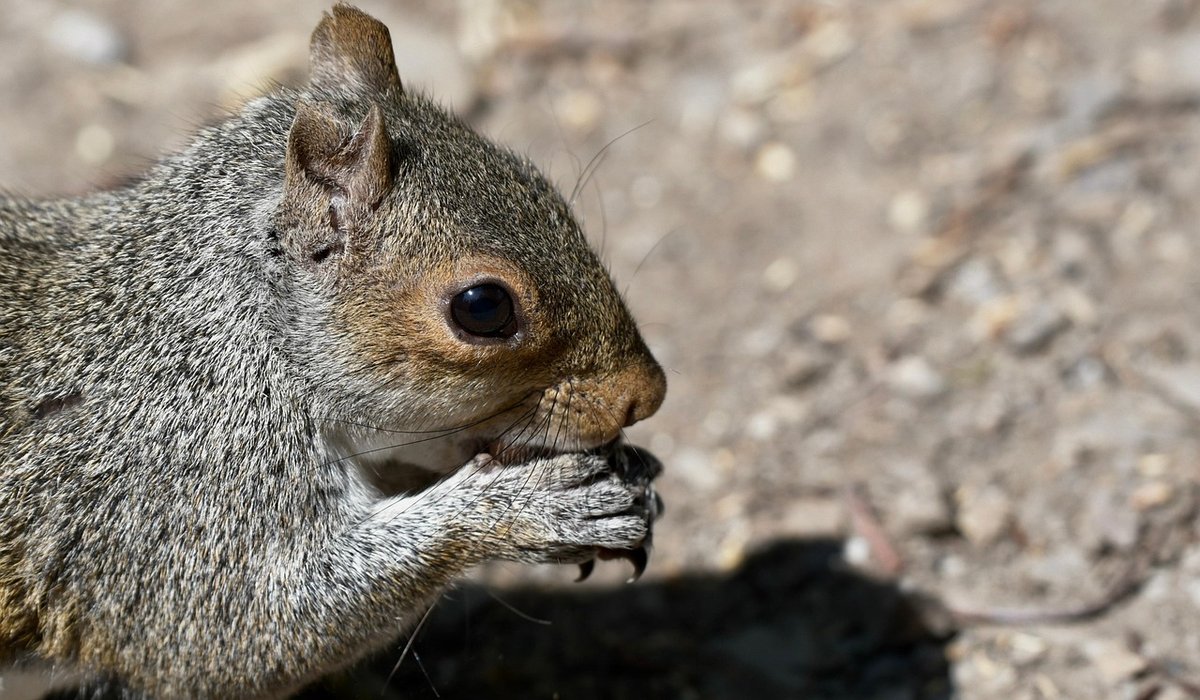
A Guide to Photographing British Wildlife Ethically
Put the Subject First, Always
The best wildlife photographs are made by people who care more about the animal than the picture. That sounds sentimental, but it is a practical rule, and it shows in the results. A calm subject, going about its natural business, almost always looks better than a stressed one caught mid-flight by a photographer who has pushed too close. British wildlife is also more heavily protected than many people realise. All wild birds, their nests and their eggs are safeguarded under the Wildlife and Countryside Act 1981, and a long list of species — from hazel dormice to great crested newts — enjoys additional protection. For a handful of birds listed on Schedule 1, including barn owls and kingfishers, it is an offence even to disturb them at or near an active nest. Knowing the law is the floor, not the ceiling: good ethics go further than what you can get away with.
Reading the Signals — Behaviour Tells You Everything
Animals broadcast their discomfort long before they flee. Learning to read those signals is the single most useful skill you can develop, and it costs nothing but time.
- Head-up alertness. A deer, hare or fox that stops feeding and fixes you with both eyes has noticed you. One more step and you have gone too far.
- Alarm calls. Blackbirds, robins and wrens are the countryside's smoke alarms. If a chorus starts up as you approach, you have been rumbled.
- Distraction displays. Lapwings, ringed plovers and oystercatchers will feign a broken wing to draw you away from a nest or chick. Take the hint and retreat the way you came.
- Freezing and crouching. A rabbit pressed flat to the ground, or a young animal that suddenly goes still, is frightened rather than relaxed.
If you see any of these, stop, lower the camera and back off slowly. If you are lucky, the animal will settle again and you can work from a greater distance. Better a slightly smaller subject in the frame than a photograph obtained by harassment.
Distance, Lenses and the Art of Not Being Noticed
Reach is the ethical photographer's greatest asset. A 300mm lens is a reasonable starting point for larger mammals, but birds and small mammals generally demand 400mm to 600mm, ideally with a teleconverter for extra pull. Crop sensors give a useful apparent boost in focal length, and modern bodies cope well with high ISO — do not be afraid to push to 3200 or beyond rather than creep closer for a cleaner file.
Technique matters as much as glass. Wear dull clothing, move slowly, and use natural cover: a hedge, a gorse bush, the edge of a reedbed. A purpose-built hide or a simple bag hide is transformative for species such as red deer, water voles and waders. For low subjects, get down to eye level rather than looming over them; the photographs improve and the animal relaxes. Finally, keep your distance from anything with young. A parent's tolerance is not an invitation.
Nests, Dens and Breeding Sites: The Absolute No-Go
Nothing justifies disturbing a breeding site for a photograph. A flushed parent may abandon eggs or chicks, and even a short absence can leave a clutch chilled or exposed to predators.
- Never approach, trim vegetation around, or position yourself beside an active nest, den or sett.
- Photograph nests only from a lawful distance with a long lens, or under licence where the law requires it.
- Give seal haul-outs and pupping beaches a wide berth — use a long lens and stay well above the tide line.
- Avoid seabird cliffs at the height of the season, when a single careless step can send birds off ledges.
- Leave the site as you found it: no trampled bluebells, no broken branches, no crushed ground cover.
Baiting, Playback and Night Work
Baiting changes behaviour and can draw predators to a site. Using live prey is indefensible, and even routine feeding stations should be sited and cleaned responsibly. Playback of recorded calls is powerful during the breeding season, when it can pull birds away from nests and chicks. Use it sparingly, outside the breeding period wherever possible, and never near a Schedule 1 species without a licence.
Night photography brings its own duties. Use red light rather than a white torch where you can, keep flash to a minimum — repeated bursts can dazzle owls and other nocturnal hunters — and leave a roost site as soon as you have your shot.
Sharing Your Photographs Without Harming the Subject
Your image can cause harm long after you have packed up. Precise locations of scarce species, particularly raptors, rare breeding birds, orchids and adders, can be found in minutes from geotags and recognisable landmarks, and the wrong audience may not treat the site as gently as you did. Strip location data, keep backgrounds vague, and think twice before naming a sensitive site. Wait until the season is over before posting anything from a breeding area.
Above all, treat fieldcraft as a craft. The photographers who consistently produce the finest British wildlife images are rarely the ones who get closest; they are the ones who have learned to wait, to read the signals, and to accept that some days the best photograph is the one you choose not to take.
tag: Nature Photography

Sophie Chadwick Author
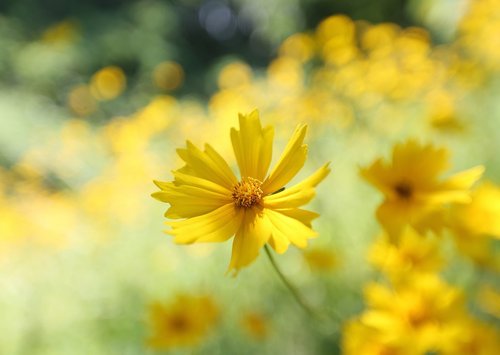
Choose native single-flowered varieties, plant in generous drifts and extend flowering from spring to autumn to support pollinators.
YOU MAY ALSO LIKE
How to Make a Bee-Friendly Garden Border
Aug 19
10Offer high-fat foods, keep feeders clean and provide unfrozen water to help garden birds survive sudden cold snaps.
read more
Winter Bird Feeding: Best Practices for Gardeners
Aug 15
10Fallen branches and standing dead trees support fungi, beetles and bats, so leave them in place where safety allows.
read moreWildlife
-

ERRIC CATONA
From spring pond checks to autumn leaf piles, a seasonal approach keeps habitats thriving without overwhelming the average gardener.
May 19, 2016 at 5.12 pm
Reply
ERRIC CATONA
Learn key markings, flight periods and favourite nectar plants to tell apart meadow browns, peacocks and small tortoiseshells.
May 19, 2016 at 5.12 pm
Reply -
ERRIC CATONA
These colourful habitats support pollinators, improve soil health and provide a beautiful alternative to traditional closely mown lawns.
May 19, 2016 at 5.12 pm
Reply
Conservation
Your email address will not be published.