
Why Dead Wood Matters for Woodland Creatures
The most overlooked place in the wood
Walk through any British woodland and your eye travels upwards — to the canopy, the autumn colour, the nuthatch working its way down an oak. But some of the richest habitat in the wood is lying where you are least likely to look. A fallen branch, a half-buried stump, a hollowed-out trunk still standing: these are not untidiness. They are crowded, humming, quietly essential places.
Dead wood — the proper term is coarse woody debris — supports something like 1,700 British invertebrates at some stage of their lives, along with hundreds of fungi, plus bats, birds and small mammals that use it for shelter and food. A single ancient oak can spend three times as long dead as it did alive, feeding the woodland as a standing skeleton and then as a log on the ground.
If you own or manage a patch of woodland, a garden with mature trees, or a hedgerow with a few old standards in it, the most useful thing you can do is often nothing at all — as long as it is safe.
Fungi do the heavy lifting
Wood is tough stuff, and very little can digest it directly. Fungi can, and they do the first and hardest work of decay, breaking down the lignin and cellulose that lock up carbon and nutrients. Their thread-like mycelium spreads through the wood, opening it up for everything that follows.
The variety is startling once you start noticing. King Alfred's cakes (cramp balls) sit as hard black lumps on dead ash branches. Hoof fungus and other bracket fungi stack up the sides of standing trunks like shelves. Sulphur polypore spills bright yellow across a fallen oak, and beefsteak fungus bleeds a rusty red when cut. Each species has its favourites — oak, beech, ash, birch, willow — and some are fussy about whether the wood is standing, sitting in damp shade, or half-buried in soil.
Left alone, rot hollows out trunks and softens branches into something crumbly, damp and full of invertebrates. That softness is the point.
Beetles, flies and the web of decay
Dead wood specialists — saproxylic species, if you like the jargon — include beetles, flies, hoverflies, moths, woodlice and many others. Some feed directly on the wood, some on the fungi in it, some on the other invertebrates, and some simply live in the tunnels made by earlier arrivals.
Stag beetles need buried or partially rotted wood on the ground for their larvae, which can spend five or six years underground before emerging. Lesser stag beetles favour the soft, crumbly inside of standing dead trunks. Oak-associated beetles such as the noble chafer and a whole suite of longhorns and click beetles are now largely restricted to old woodlands that have never been tidied up. Others, like the violet click beetle, are down to a handful of ancient trees in the whole country.
Rot in a log is not one habitat but a gradient: fresh and dry at one end, sodden and crumbly at the other, and different species occupy each stage. A single fallen branch, in dappled shade, can pass through all of them over a decade.
Bats, birds and the tenants overhead
Hollows, cracks and loose bark are roosting places. Several of our rarer bats — barbastelle and Bechstein's especially — are woodland specialists that depend on old trees, including dead ones, for summer roosts and for the crevices they use between nights. Pipistrelles, noctules and brown long-eared bats will all use rot holes and splits in standing dead timber.
Birds use them too. Treecreepers and nuthatches probe dead bark; willow and marsh tits are far more numerous in woods with plenty of standing dead wood; owls and kestrels will hole up in hollow trunks. Add to that the insects that shelter there for the winter and you have a food store for next spring's chicks.
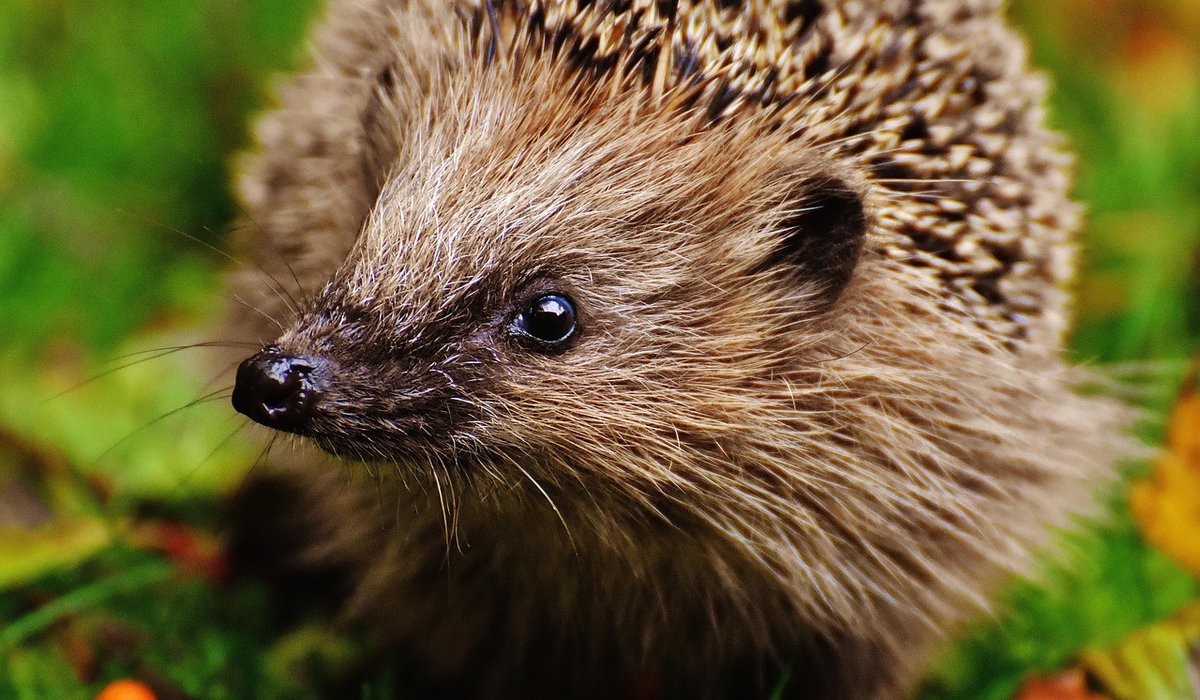
If you keep a brash pile or a stack of logs in a quiet corner, watch for slow-worms, hedgehogs and toads using it as a resting place. It costs nothing and it works.
Standing dead trees, safety and the law
Safety comes first, and there is no shame in that. A dying ash beside a footpath, a car park or a play area needs proper assessment, and ash dieback has made this a genuine issue across much of Britain. If a tree has to come down, think about what you do next. Reducing a dangerous tree to a monolith — leaving a trunk of three to five metres, safely away from targets — keeps much of the habitat value while removing the risk from the crown.
If a fallen branch or log is on the ground and not over a path, road or building, the easiest win is to leave it where it fell. Drag nothing further than you must.
Two legal points worth knowing. Tree work and felling sometimes needs permission — a felling licence, a tree preservation order or consent on a protected site — so check before you start. And bats and their roosts are legally protected under the Wildlife and Countryside Act 1981 and the Conservation of Habitats and Species Regulations 2017, even when no bats are present. If a tree you plan to work on might hold a roost, stop and take advice from a licensed bat ecologist.
What to do on your patch
Most of this is about restraint, with a little gentle management where it helps.
- Leave fallen branches, logs and stumps in place wherever they are not a hazard. Keep them in shade and in contact with the ground, so they stay damp and rot properly.
- Resist the urge to tidy. Raking up every stick, chipping brash and clearing dead stands removes the very thing the wood needs.
- Build a log pile or two in dappled shade, with logs of different diameters, some partly buried, and a few standing upright. Stacks in full sun dry out and support far less.
- Leave a standing dead tree, or a monolith, where it is safe and away from paths, roads and buildings. Mark it so future work avoids it.
- Keep some decaying wood near a stream or pond if you have one, but avoid creating a dam — submerged wood is valuable for caddis larvae and other aquatic life.
- Record what you see. A note of a stag beetle larva or a barbastelle dropping helps build the case for leaving dead wood alone elsewhere.
A wood that is a little scruffy, with a few logs left lying, is not a neglected wood. It is a working one. Give the dead wood time, and the beetles, fungi and bats will do the rest.
tag: Habitats

Emily Hartley Author
From spring pond checks to autumn leaf piles, a seasonal approach keeps habitats thriving without overwhelming the average gardener.
YOU MAY ALSO LIKE
A Year of Wildlife Gardening Tasks
Aug 4
10Learn key markings, flight periods and favourite nectar plants to tell apart meadow browns, peacocks and small tortoiseshells.
read more
A Simple Guide to Identifying Common British Butterflies
Jul 29
10These colourful habitats support pollinators, improve soil health and provide a beautiful alternative to traditional closely mown lawns.
read moreWildlife
-

ERRIC CATONA
Use old pallets, bricks, bamboo canes and dead leaves to create shelter for solitary bees, ladybirds and other beneficial insects.
May 19, 2016 at 5.12 pm
Reply
ERRIC CATONA
Look for latrines, footprints, scratch marks and burrows to tell which nocturnal mammal has been visiting your local patch.
May 19, 2016 at 5.12 pm
Reply -
ERRIC CATONA
Follow the Countryside Code, stick to footpaths and take litter home to protect landscapes and wildlife for everyone to enjoy.
May 19, 2016 at 5.12 pm
Reply
Conservation
Your email address will not be published.