
How to Identify Common British Woodland Mammals
There is a particular thrill in walking through an ancient wood and realising you are not alone. The trees may be still, but the ground beneath your boots is a newspaper written in mud, leaf litter and scent. Learning to read it turns a pleasant stroll into a detective story. Here is how to recognise the field signs and tracks of our most common woodland mammals, so you can walk with confidence and leave the wood as you found it.
Start with the Ground Beneath Your Feet
Tracking is less about perfect footprints and more about patterns. Look for disturbed leaf litter, flattened grass, and narrow, well-trodden paths threading between trees. Early morning is best, when dew and soft mud hold impressions. Carry a notebook and a tape measure—or simply use your hand, roughly 20cm across, as a scale.
Before you identify any print, note the gait. A walking animal leaves evenly spaced tracks; a bounding one leaves groups of four. Dogs and foxes walk in a straight line, placing their back feet in the front footprints. Badgers amble with a wider, more rolling gait. Deer walk on their hooves, leaving two neat slots.
Badgers: The Engineers of the Wood
Badgers are the easiest woodland mammal to detect without ever seeing one. Their homes, called setts, are unmistakable: a series of large oval entrances, 20–30cm wide, usually on a sloping bank. Outside each entrance is a spoil heap of freshly dug soil, and often a well-worn path leading away. You may also find latrines—shallow pits scraped in the ground, used repeatedly, containing dark, slimy droppings that smell musky and sweet.
Look for snuffle holes: small, conical pits in grass or leaf litter where badgers have rooted for earthworms and beetles. Their footprints are broad and five-toed, up to 6cm wide, with a kidney-shaped pad and long, prominent claw marks. If you find a sett, keep your distance, keep dogs away, and never block or dig at an entrance.
Deer: Ghosts of the Glades
Deer are masters of concealment, but they leave a trail of evidence. Their footprints, called slots, show two cloven hooves. Size tells you the species: a muntjac slot is barely 3cm long, a roe about 4cm, a fallow 6–7cm, and a red deer up to 9cm. In soft ground you may see the two dewclaws behind the main hooves, which splay out when the animal runs.
Deer browsing creates a distinctive browse line—a horizontal band where leaves and shoots have been nibbled to a consistent height, usually between 1 and 2 metres. Bucks rub their antlers on young saplings, stripping bark in ragged patches; this is called fraying. Look for droppings: glossy, cylindrical pellets, often in clusters. In summer they are softer and clumped; in winter they are hard and black. During the autumn rut, you may hear roaring or see scrapes and wallows.
Foxes: The Cunning Trailblazers
Foxes are adaptable and bold, often following the same routes as badgers but with a lighter step. Their footprints are dog-like: four toes, a triangular pad, and visible claw marks. A fox print is roughly 4cm wide and 5cm long—neat and compact. The gait is usually a straight line, with the back feet placed precisely in the front footprints.
The most obvious fox sign is its scat. Foxes leave droppings on prominent places: a mossy stump, a tussock, a stone, or the middle of a path. Scats are twisted, tapering to a point, and often contain fur, feathers, bones, and berry seeds. They have a sharp, musky smell. Foxes also cache food, digging shallow holes and covering them with leaves; you may find a scatter of feathers or a half-eaten rabbit. Strong-smelling urine marks on tree bases are another telltale sign.
Other Woodland Regulars to Note
While badgers, deer and foxes are the headline acts, other mammals leave easy-to-read signs.
- Grey squirrels: look for stripped cones, gnawed nutshells with a neat hole, and dreys—large, untidy balls of leaves and twigs high in the canopy.
- Rabbits: burrows with mounds of earth, close-cropped grass, and small, round droppings. Their tracks show a bounding gait with four prints in a diamond pattern.
- Stoats and weasels: narrow, bounding tracks in mud or snow, often ending at a hole. Look for small, twisted scats and cached prey.
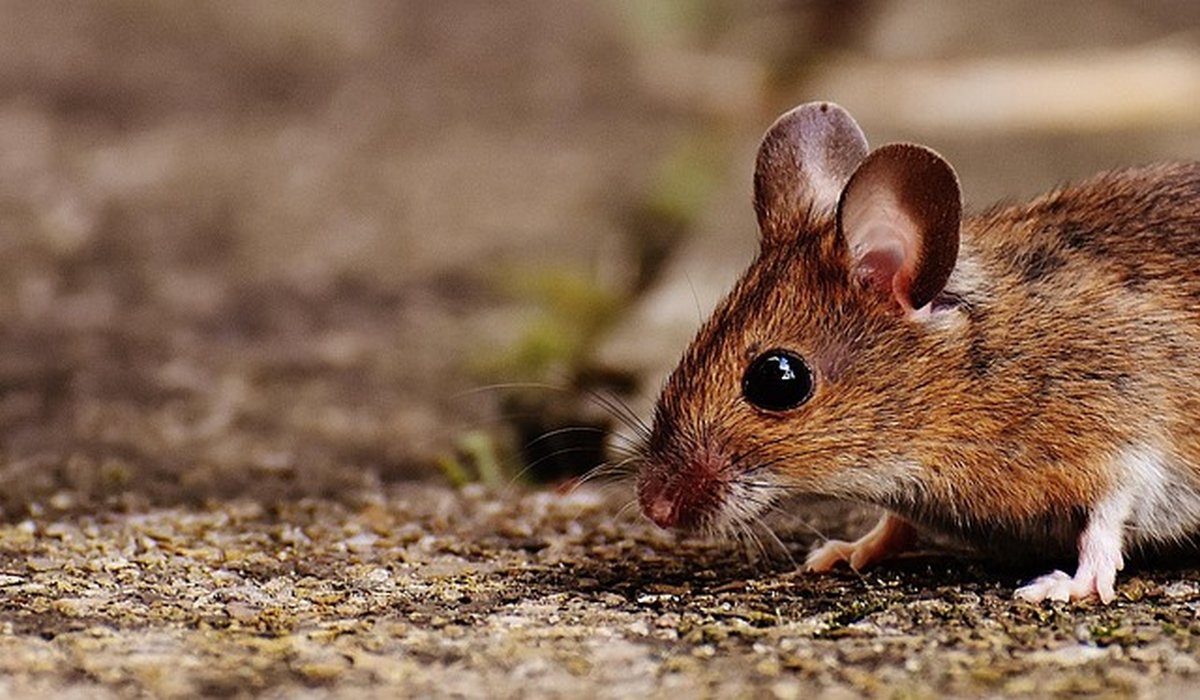
- Mice and voles: tiny, shuffling tracks and tunnels through grass. Voles leave neat, blunt-ended droppings; mice leave smaller, pointed ones.
Walking Safely and Respectfully
Ancient woodlands are fragile, and their inhabitants are easily disturbed. Follow these simple rules to keep both you and the wildlife safe.
- Keep to paths where possible, especially in spring and early summer when ground-nesting birds and young mammals are hidden in the undergrowth.
- Control your dog. A loose dog can chase deer, disturb setts, and cause fatal stress to pregnant or young animals. Keep it close, and put it on a lead near any sett or deer lawn.
- Never dig at or block a sett. Badgers are protected by law, and disturbing a sett is a criminal offence.
- Watch from a distance. Use binoculars rather than approaching. If an animal changes its behaviour because of you, you are too close.
- Be tick-aware. Wear long trousers tucked into socks, and check yourself and your dog after a walk. Lyme disease is a real risk in British woodlands.
- Leave no trace. Take your litter home, and do not pick flowers or fungi unless you know they are abundant and legal to take.
With a little patience and a sharp eye, you will soon be reading the wood like a local. Every scratch, print and dropping tells a story—and the more you look, the more you will see.
tag: Mammals

Emily Hartley Author
A well-placed pond attracts frogs, dragonflies and birds, bringing year-round interest to even the tiniest urban outdoor space.
YOU MAY ALSO LIKE

Creating a Wildlife Pond in a Small Garden
Sep 22
10Oak, willow and birch provide food and shelter for countless caterpillars, beetles and pollinators throughout the changing seasons.
read more
Best British Trees for Supporting Native Insects
Sep 18
10Start with a local park or nature reserve, learn common songs and invest in a decent pair of binoculars.
read moreWildlife
-

ERRIC CATONA
Leave wild corners, provide shallow water and create safe gaps in fences to help these declining nocturnal visitors thrive.
May 19, 2016 at 5.12 pm
Reply
ERRIC CATONA
This key legislation protects many British species, but knowing its practical implications helps landowners and visitors avoid breaking the law.
May 19, 2016 at 5.12 pm
Reply -
ERRIC CATONA
Early mornings offer the best chance to see these native rodents, especially in pine forests with a good cone crop.
May 19, 2016 at 5.12 pm
Reply
Conservation
Your email address will not be published.