
Understanding the Wildlife and Countryside Act
The Law That Shapes Almost Everything You Do Outdoors
The Wildlife and Countryside Act 1981 is the backbone of nature protection in Britain. It has been amended several times since — most significantly by the Countryside and Rights of Way Act 2000 in England and Wales, and by separate Scottish legislation — but the core principles remain. In short, it makes it an offence to harm certain wild animals, to disturb or destroy their homes, to damage particular plants, and to release problem species into the wild.
What surprises many people is how much of this applies to ordinary activities: trimming a hedge, dredging a pond, felling a tree, clearing a derelict corner of a field. The Act is not just for poachers and developers. It matters to farmers, smallholders, horse owners, gardeners and anyone who walks the footpaths.
Birds: The Rules Almost Everyone Can Accidentally Break
Every wild bird in Britain is protected. It is an offence to intentionally kill, injure or take one, to take, damage or destroy its eggs, or to damage or destroy a nest while it is in use or being built. That last point is the one that catches people out. There is no legal season for hedge cutting or scrub clearance in the sense people imagine — the binding restriction is whether there is an active nest in there.
- Hedge and scrub cutting: the traditional guidance of avoiding March to August exists precisely because that is peak nesting time. It is not the cutting itself that is unlawful, but the damage to nests in use.
- Trees: felling a tree with a nest of eggs or young is an offence, no matter how small the tree or how inconvenient the timing.
- Schedule 1 species — barn owls, kingfishers, peregrines, red kites and others — get extra protection. Their nests are protected all year round, even when empty.
- Disturbance of Schedule 1 birds at, on or near an active nest is an offence in its own right, which is why photographing a barn owl nest without a licence can be a criminal matter.
Animals, Plants and the Places They Rely On
Schedule 5 of the Act covers animals given special protection. For these species it is an offence to intentionally or recklessly kill, injure or take them, or to damage, destroy or obstruct any structure or place they use for shelter or protection. In practice, that means you can commit an offence simply by destroying habitat, even if you never see the animal.
On the list are the great crested newt, natterjack toad, sand lizard, smooth snake, adder, grass snake, slow-worm, common lizard, water vole, hazel dormouse, otter and many invertebrates. Bats appear here too, but they carry even stricter protection under separate habitat regulations, which is why bat surveys before roof work are effectively compulsory.
Plants have their own schedule. Native bluebells, for instance, are protected against sale, which is why any bluebell bulb sold legitimately is likely to be the Spanish variety. More broadly, uprooting any wild plant without the landowner's permission is an offence, and picking parts of protected species is unlawful too.
Landowners: Practical Steps That Keep You Legal
None of this need be paralysing. A few habits prevent almost all problems.
- Survey before you destroy. Before pond work, scrub clearance, hedge removal or building repairs, ask whether protected species could be present. Great crested newts, dormice and water voles are far more widespread than most people assume.
- Time your work. Cut hedgerows and scrub outside the nesting season where you reasonably can, and check carefully before starting if you cannot.
- Record what you find. A dated photograph and a note of what you saw where is useful evidence if questions are ever asked.
- Use a licence where needed. Natural England, NatureScot and Natural Resources Wales issue licences for work that affects protected species, usually with conditions such as timing restrictions or replacement habitat.
- Never release non-native species. Section 14 makes it an offence to release or allow to escape species not native here. That includes grey squirrels, signal crayfish, muntjac in some circumstances and a long list of garden pond plants.
Sites of Special Scientific Interest and the Wider Picture
SSSIs are notified areas of exceptional wildlife or geological value. If your land is one, you need consent from the relevant conservation body before carrying out any operation listed in the notification. Damaging an SSSI — including through neglect or by allowing others to cause harm — is a criminal offence, and penalties have grown substantially since 2000.
For the public, the same landscape operates under a set of access rights established by the Countryside and Rights of Way Act, which opened up areas of open country, mountain, moor, heath and registered common land. Those rights come with duties: keep dogs under close control around livestock and on the lead near ground-nesting birds in spring, leave gates as you find them, and take nothing but photographs.
If You Are Unsure, Say Something Early
The single best protection against prosecution is asking before you act. Your local wildlife trust, county recorder or the relevant statutory body will answer questions about survey needs and licensing without judgement — they would far rather have the conversation beforehand than deal with the aftermath.
The Wildlife and Countryside Act can feel dense and unforgiving, but its purpose is straightforward: to keep Britain's wild species and the places they depend on alive and functioning. Understanding the practical edges of it — nests in use, protected shelters, invasive species, sensitive sites — is all most of us need to work, walk and manage land with confidence.
tag: Conservation

Emily Hartley Author
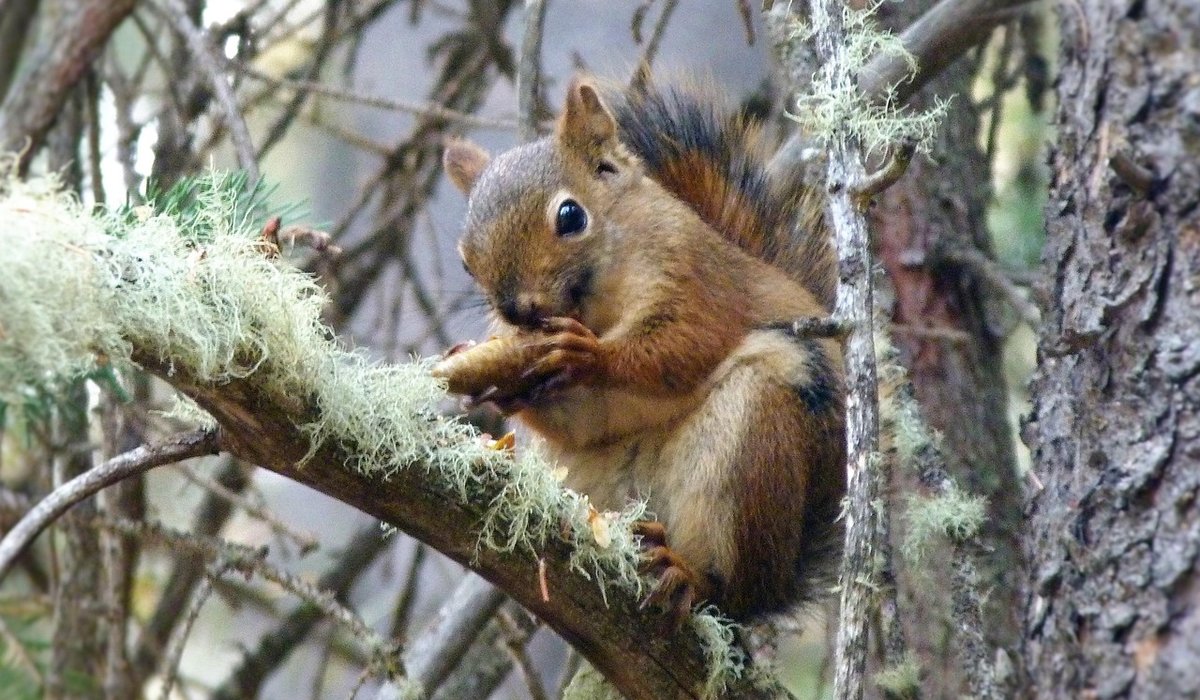
Early mornings offer the best chance to see these native rodents, especially in pine forests with a good cone crop.
YOU MAY ALSO LIKE
Spotting Red Squirrels in Northern Woodlands
Aug 31
10These ancient boundaries offer food, shelter and corridors for birds, small mammals and insects across the agricultural landscape.
read more
The Role of Hedgerows in Farmland Wildlife
Aug 29
10Learn to read animal behaviour, use long lenses and avoid disturbing nests or breeding sites for the sake of a picture.
read moreWildlife
-

ERRIC CATONA
Choose native single-flowered varieties, plant in generous drifts and extend flowering from spring to autumn to support pollinators.
May 19, 2016 at 5.12 pm
Reply
ERRIC CATONA
Offer high-fat foods, keep feeders clean and provide unfrozen water to help garden birds survive sudden cold snaps.
May 19, 2016 at 5.12 pm
Reply -
ERRIC CATONA
Fallen branches and standing dead trees support fungi, beetles and bats, so leave them in place where safety allows.
May 19, 2016 at 5.12 pm
Reply
Conservation
Your email address will not be published.